





The Working Principle of Solar Panels
Solar panels, also known as photovoltaic (PV) panels, are devices that convert sunlight directly into electricity. They play a crucial role in renewable energy systems and are widely used in residential, commercial, and industrial applications. The operation of solar panels is mainly based on the scientific phenomenon called the Photovoltaic Effect, which allows certain materials to generate electrical current when exposed to light.
1. Basic Structure of a Solar Panel
A solar panel is composed of multiple solar cells connected together. Each solar cell is typically made from a semiconductor material, most commonly Silicon. Silicon is widely used because it has suitable electrical properties and is abundant in nature.
Each solar cell contains two layers of silicon that are treated differently to create an electric field. One layer is doped with phosphorus, giving it extra electrons and making it negatively charged. The other layer is doped with boron, which creates "holes" or positive charges. When these two layers meet, they form what is called a PN junction. This junction creates an internal electric field that is essential for generating electricity.
2. Absorption of Sunlight
When sunlight reaches the surface of a solar panel, it consists of tiny energy packets called photons. These photons carry energy from the sun. When photons strike the surface of the solar cell, some of them are absorbed by the semiconductor material.
The absorbed energy excites electrons in the silicon atoms. Normally, electrons in a solid material stay bound to atoms, but when they receive enough energy from photons, they can break free. This process produces free electrons and holes within the semiconductor.
3. Generation of Electric Current
The internal electric field created by the PN junction plays a key role at this stage. Once electrons are freed by sunlight, the electric field pushes them in a specific direction. Electrons move toward the negatively charged side, while the holes move toward the positively charged side.
Metal conductive plates on the top and bottom of the solar cell collect these moving electrons. When an external circuit is connected, the electrons flow through the circuit, producing an electric current. This flow of electrons is the electricity generated by the solar panel.
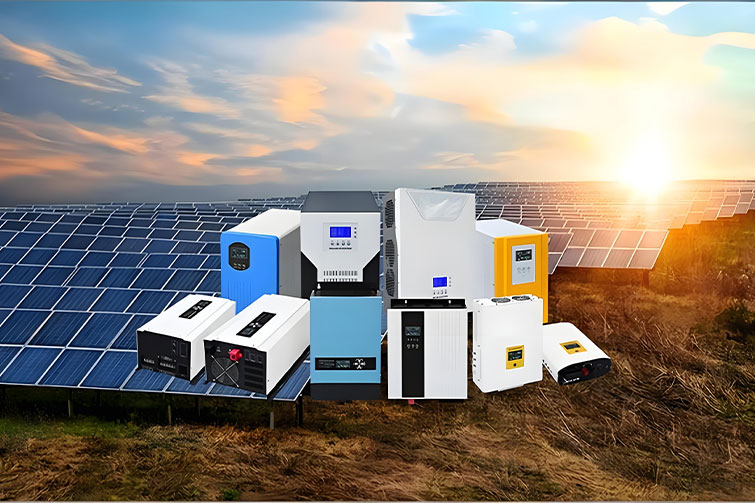
The electricity produced by solar cells is direct current (DC). However, most homes and electrical appliances use alternating current (AC). Therefore, solar energy systems usually include an inverter, which converts DC electricity into AC electricity so that it can be used by household devices or supplied to the power grid.
4. Combination of Solar Cells
A single solar cell produces only a small amount of electricity, usually around 0.5 volts. To produce useful power, many cells are connected together in a panel. Panels can also be combined into larger systems called solar arrays.
The total electricity generated depends on several factors, including:
- The intensity of sunlight
- The angle and orientation of the solar panel
- The temperature of the environment
- The efficiency of the solar cells
Modern solar panels typically have efficiencies ranging from 15% to over 22%, meaning that this percentage of sunlight energy is converted into usable electricity.
5. Protective Layers and Durability
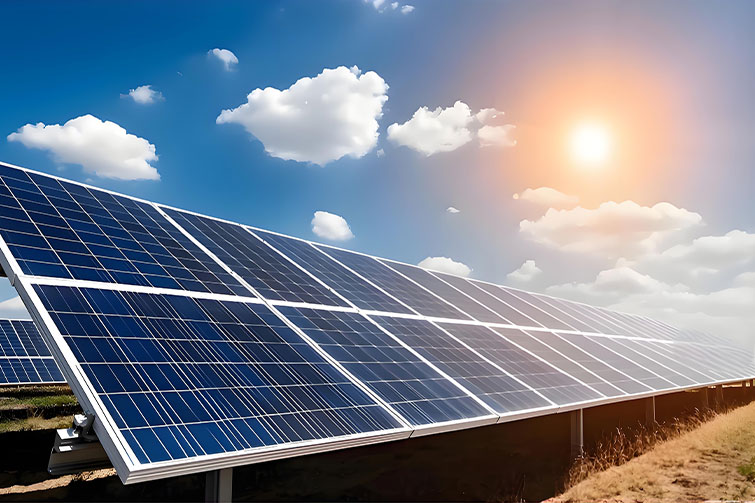
Solar panels are designed to operate outdoors for decades. To protect the delicate solar cells, they are enclosed within multiple layers. The top layer is usually made of tempered glass that allows sunlight to pass through while protecting the cells from rain, dust, and impact.
Beneath the glass is an encapsulation material that secures the solar cells and prevents moisture damage. The entire panel is mounted in a strong aluminum frame, making it resistant to wind, snow, and other environmental conditions. Most solar panels have a lifespan of 25 years or more.
6. Advantages of Solar Power
Solar panels offer several important advantages. First, they generate electricity without producing greenhouse gases or air pollution. This makes solar power an environmentally friendly energy source.
Second, sunlight is abundant and renewable. Unlike fossil fuels such as coal or oil, solar energy will not run out. Once installed, solar panels also require relatively low maintenance and can significantly reduce electricity costs over time.
Finally, solar energy systems can be installed in many locations, including rooftops, open land, and even remote areas where traditional electricity grids are unavailable.
7. Future Development
With ongoing technological advancements, solar panels are becoming more efficient, affordable, and versatile. Researchers are exploring new materials such as perovskites and developing flexible solar cells that can be integrated into buildings, vehicles, and portable devices.
As global demand for clean energy continues to grow, solar power is expected to play an increasingly important role in the world's energy supply.
Conclusion
In summary, solar panels generate electricity by converting sunlight into electrical energy through the Photovoltaic Effect. When sunlight strikes semiconductor materials like Silicon, it releases electrons that are guided by a PN junction electric field to produce an electric current. Through the combination of many solar cells and supporting electrical systems, solar panels provide a reliable and sustainable source of clean energy for modern society.
Related Posts
Advantages and Disadvantages of Hybrid Solar Systems
Apr 09, 2024