




Advantages and Disadvantages of Hybrid Solar Systems
With the growing global demand for clean and reliable energy, solar power has become one of the most important renewable energy solutions. Among various solar technologies, the hybrid solar system has gained increasing attention. A hybrid solar system combines the benefits of traditional grid-connected solar systems with battery storage and sometimes backup generators. By integrating multiple energy sources, it provides greater flexibility and reliability in electricity supply.
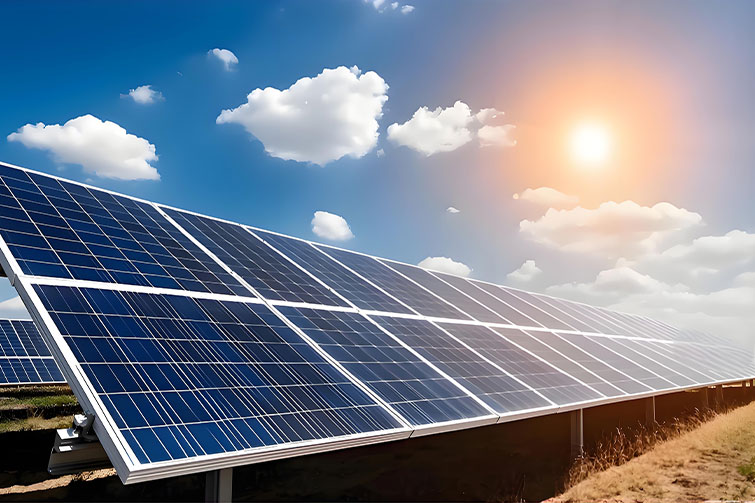
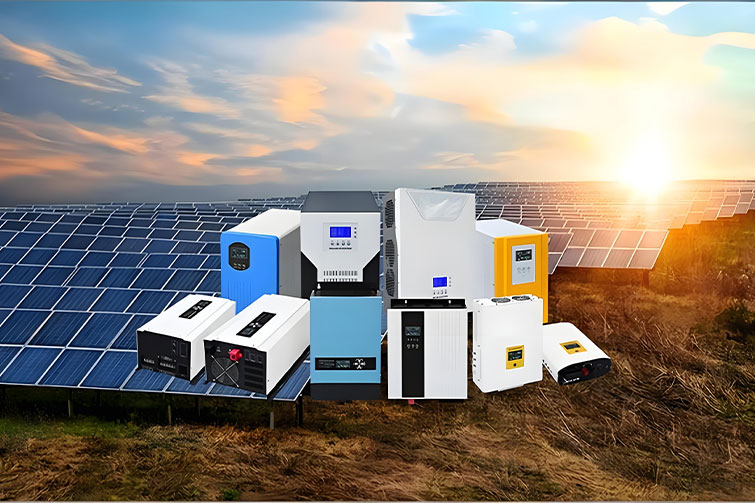
A hybrid solar system typically consists of solar panels, batteries, an inverter, a charge controller, and a connection to the utility grid. Solar panels convert sunlight into electricity through the Photovoltaic Effect. The generated electricity can power household appliances, charge batteries for later use, or be exported to the public grid when there is excess energy. Because of this flexibility, hybrid systems are becoming increasingly popular in both residential and commercial applications.
Advantages of Hybrid Solar Systems
One of the main advantages of hybrid solar systems is energy independence. Unlike traditional grid-tied systems, hybrid systems can store excess solar energy in batteries. When the sun is not shining, such as at night or during cloudy weather, the stored energy can be used to power the home. This reduces dependence on the utility grid and helps ensure a continuous electricity supply.
Another important advantage is improved energy reliability. In many regions, power outages can occur due to extreme weather, infrastructure problems, or high electricity demand. A hybrid solar system can continue supplying electricity during grid failures by drawing power from the battery storage. This feature makes hybrid systems particularly useful in areas where the power grid is unstable.
Hybrid solar systems can also help reduce electricity bills. During the day, solar panels generate free energy from sunlight. This reduces the amount of electricity that must be purchased from the grid. In some countries, excess electricity can be sold back to the grid through net metering programs, allowing homeowners to earn credits or payments. Over time, these savings can offset the initial investment in the system.
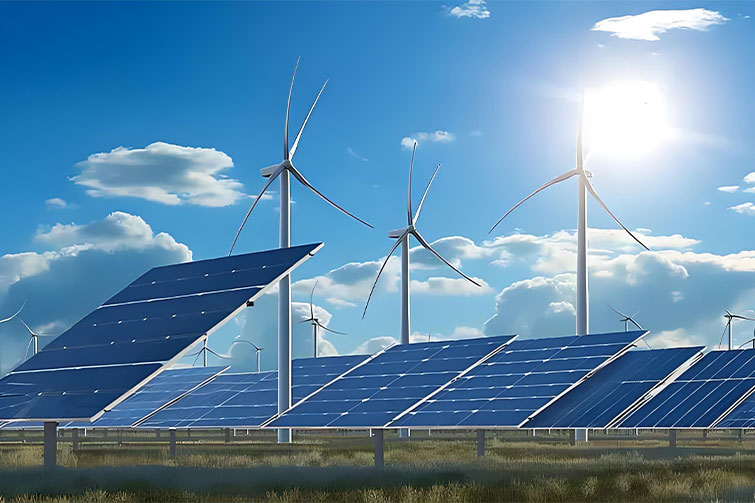
Environmental benefits are another major advantage. Solar energy is a clean and renewable resource that produces no greenhouse gas emissions during operation. By using solar power instead of fossil fuels, hybrid systems contribute to reducing air pollution and combating climate change. As a result, they support the global transition toward sustainable energy.
Hybrid systems also offer greater flexibility in energy management. Modern hybrid inverters can intelligently control how energy flows between solar panels, batteries, household loads, and the grid. For example, the system can prioritize solar energy for immediate use, store excess energy in batteries, and only draw electricity from the grid when necessary. This intelligent energy management maximizes efficiency and cost savings.
Disadvantages of Hybrid Solar Systems
Despite their many advantages, hybrid solar systems also have several disadvantages. One of the biggest drawbacks is the higher initial cost. Compared with standard grid-tied solar systems, hybrid systems require additional components such as batteries and more advanced inverters. These extra components significantly increase the installation cost.
Battery storage systems are particularly expensive and may need replacement after several years of use. Most lithium-ion batteries have a lifespan of around 10 to 15 years, which is shorter than the typical 25-year lifespan of solar panels. This means that homeowners must consider the long-term maintenance and replacement costs.
Another disadvantage is the increased system complexity. Hybrid solar systems involve multiple components and require more advanced system design and installation. Improper installation or configuration can reduce system efficiency or cause operational problems. Therefore, professional installation and regular maintenance are necessary to ensure optimal performance.
Space requirements can also be a limitation. Batteries and additional electrical equipment require dedicated installation space, often in garages or utility rooms. In small homes or buildings with limited space, installing a hybrid system may be more challenging.
Finally, energy efficiency losses may occur during the storage process. When electricity is stored in batteries and later converted back for use, some energy is lost during charging and discharging. Although modern battery technology has improved efficiency, these losses still slightly reduce the overall system efficiency compared with direct solar power usage.
Conclusion
Hybrid solar systems represent a significant advancement in renewable energy technology. By combining solar power generation, battery storage, and grid connectivity, they offer a reliable and flexible energy solution. Their main advantages include improved energy independence, reduced electricity costs, enhanced reliability, and environmental benefits. However, higher installation costs, battery maintenance, and system complexity remain important considerations.
As battery technology continues to improve and costs gradually decrease, hybrid solar systems are expected to become even more widespread in the future. They will play an important role in building more resilient and sustainable energy systems worldwide.
Related Posts
Advantages and Disadvantages of Hybrid Solar Systems
Apr 09, 2024